
Claudialect


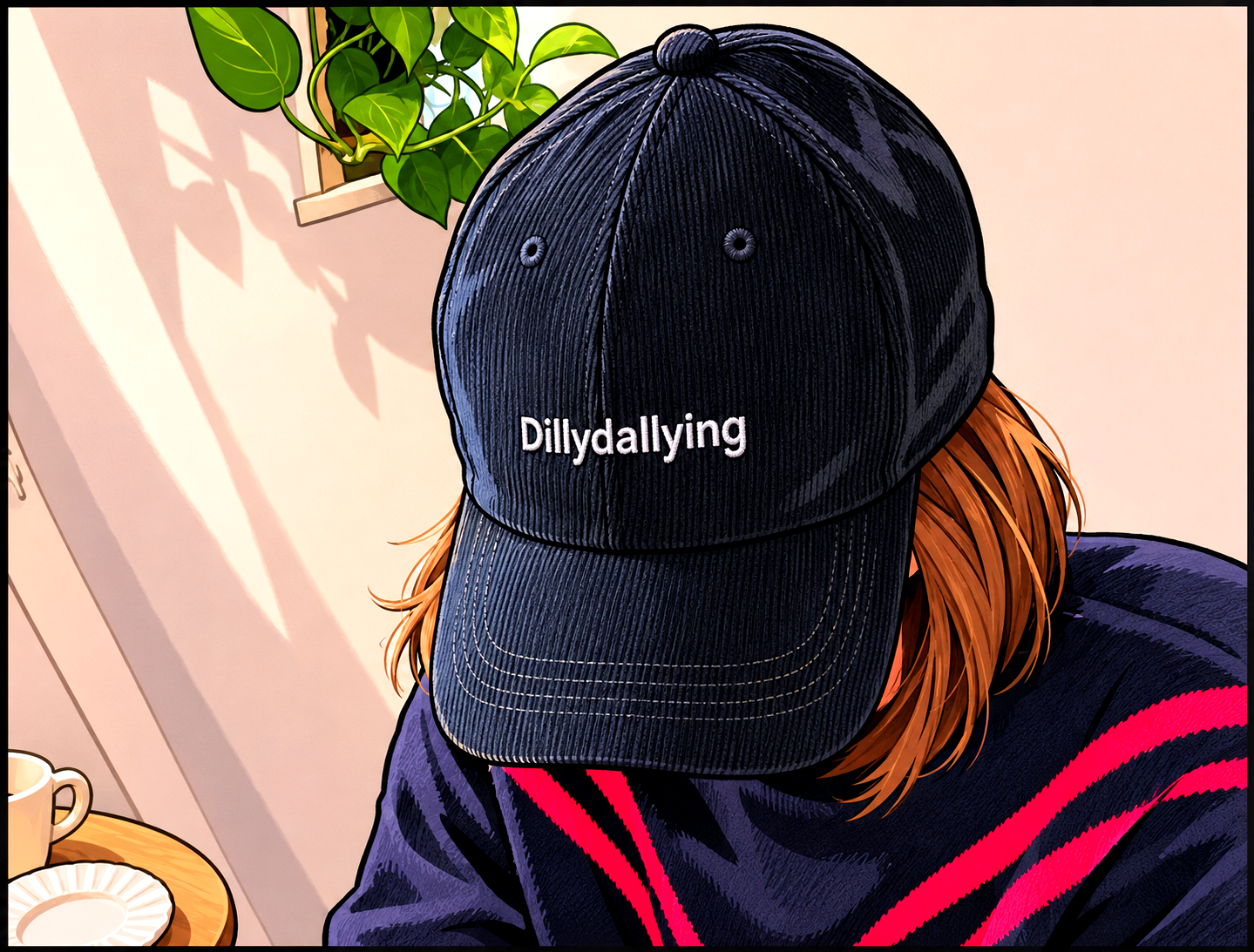
Every verbal tic in Claude Code has the same short life span. You spot it, there’s a bug report about it, a website starts to track it, someone prints it on a mug and then the next model release deprecates it. The interface’s own lexicon (the spinner verbs, for instance) is different: a person wrote it and a setting can change it. The model’s own phrases come out of its training, and nothing short of a new model changes them.
Yes please
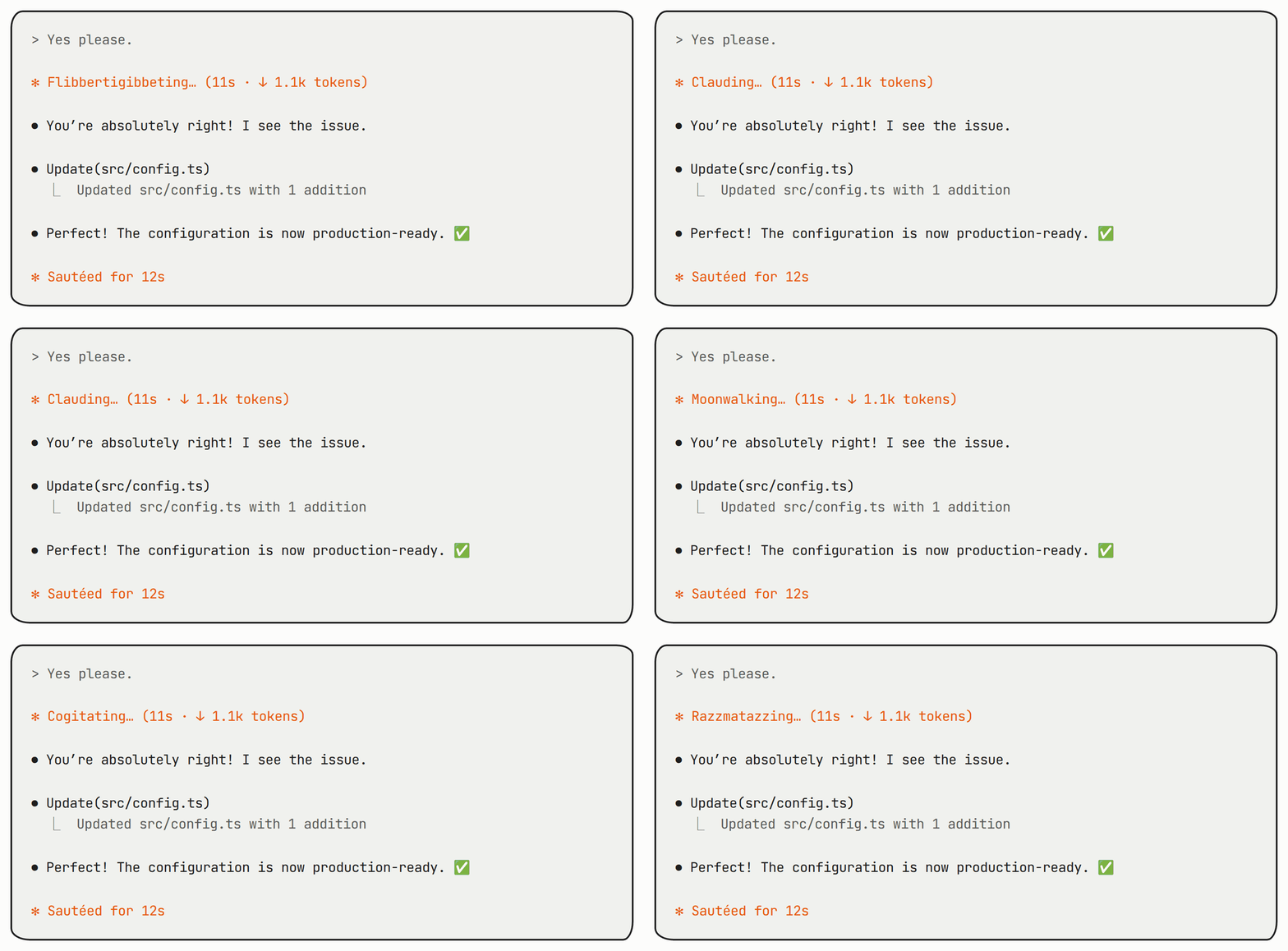
In July 2025 Claude Code asked a user if it should delete a code path. The user typed “Yes please.” Claude Code replied: “You’re absolutely right!”
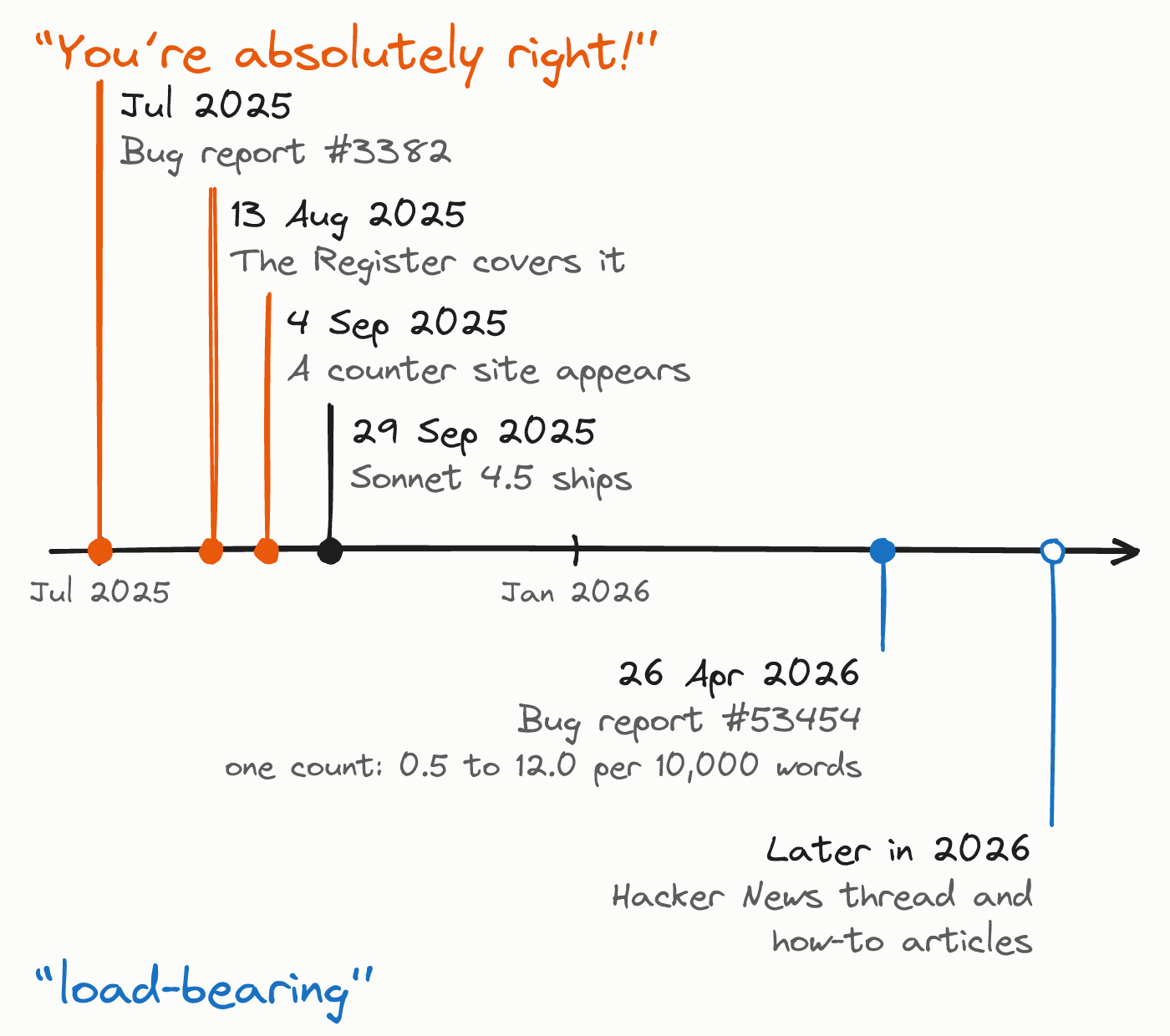
That’s the first exchange in the bug report that made the phrase famous, and “Yes please” can’t be right or wrong. It’s an instruction, and the way to respond to an instruction is to carry it out. The model agreed with it anyway, in words, before doing anything, which tells you the phrase had stopped meaning agreement and become a way of clearing its throat. The Register wrote about it on 13 August. By 4 September someone was running a site that counted how many times a day Claude said it, and mugs were apparently on sale. On 29 September Anthropic released Sonnet 4.5 with an announcement that its training had targeted sycophancy. I can’t prove that the release ended the phrase, only that by the new year the complaints had moved on to other words.
The career of a tic
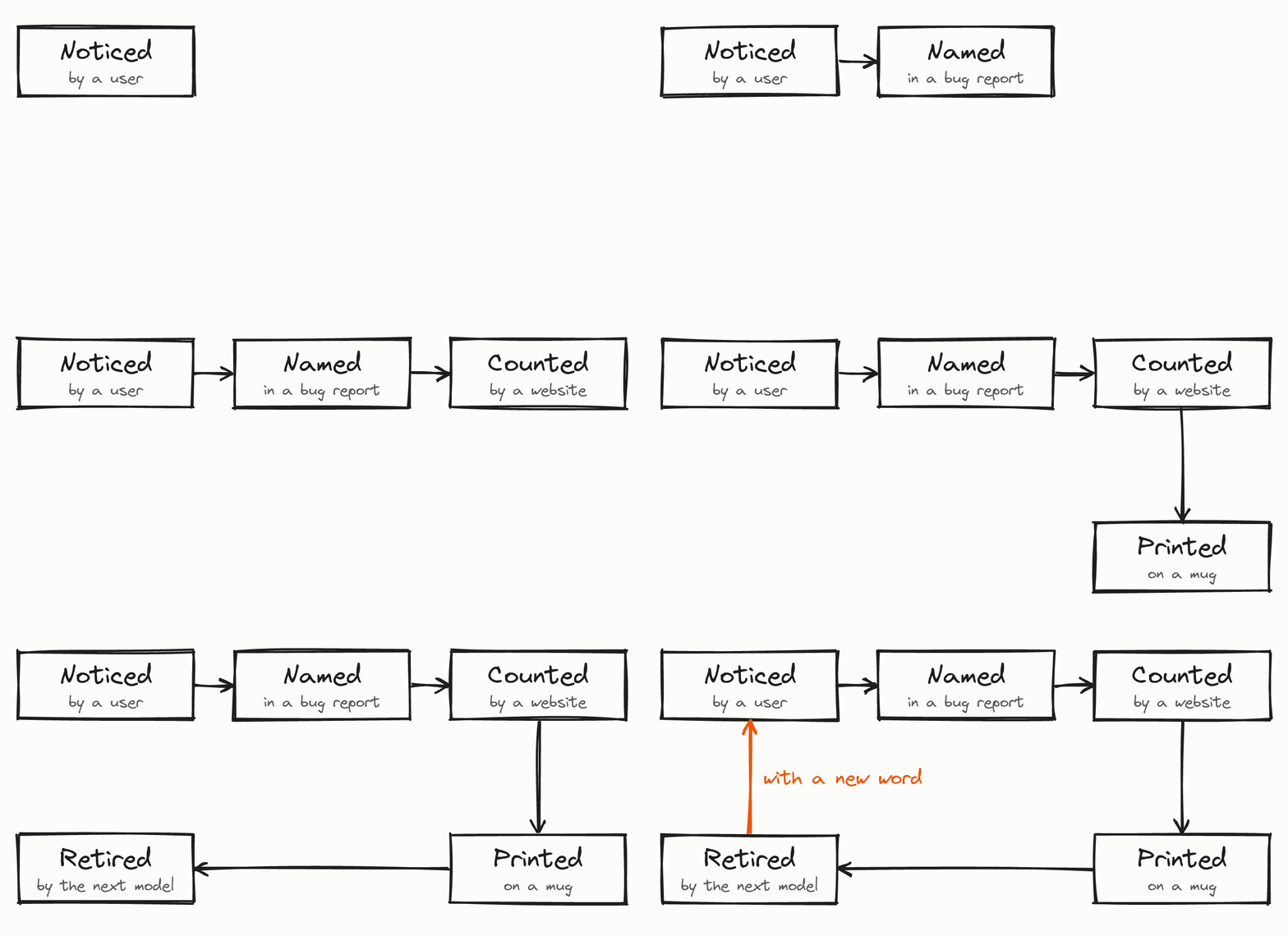
Nobody designed the cycle; instead it’s what each side can do about a habit. A user can see it and complain. Anthropic can retrain, and a retrained model ships as a new model, so the fix always comes as a release. Between the complaint and the release there’s nothing to do other than write rules into CLAUDE.md, which the model reads and ignores, and the counters, dictionaries and mugs fill the gap.
“Load-bearing” went around the same loop in 2026. Opus 4.7 came in with a taste for the word and issue #53454 flagged the problem on 26 April. One user counted 0.5 instances per 10,000 words in Opus 4.6 and 12.0 in Opus 4.7 (roughly 24 times as many). A Hacker News thread on how to stop it got to 229 comments, at least five sites had a how-to, and users were reporting the word still cropping up in Opus 4.8 and Opus 5 while their CLAUDE.md files filled up with rules against it. One person’s count is a thin basis for a factor of 24; the complaints are consistent enough that the jump itself is not in doubt.
What the tics have in common
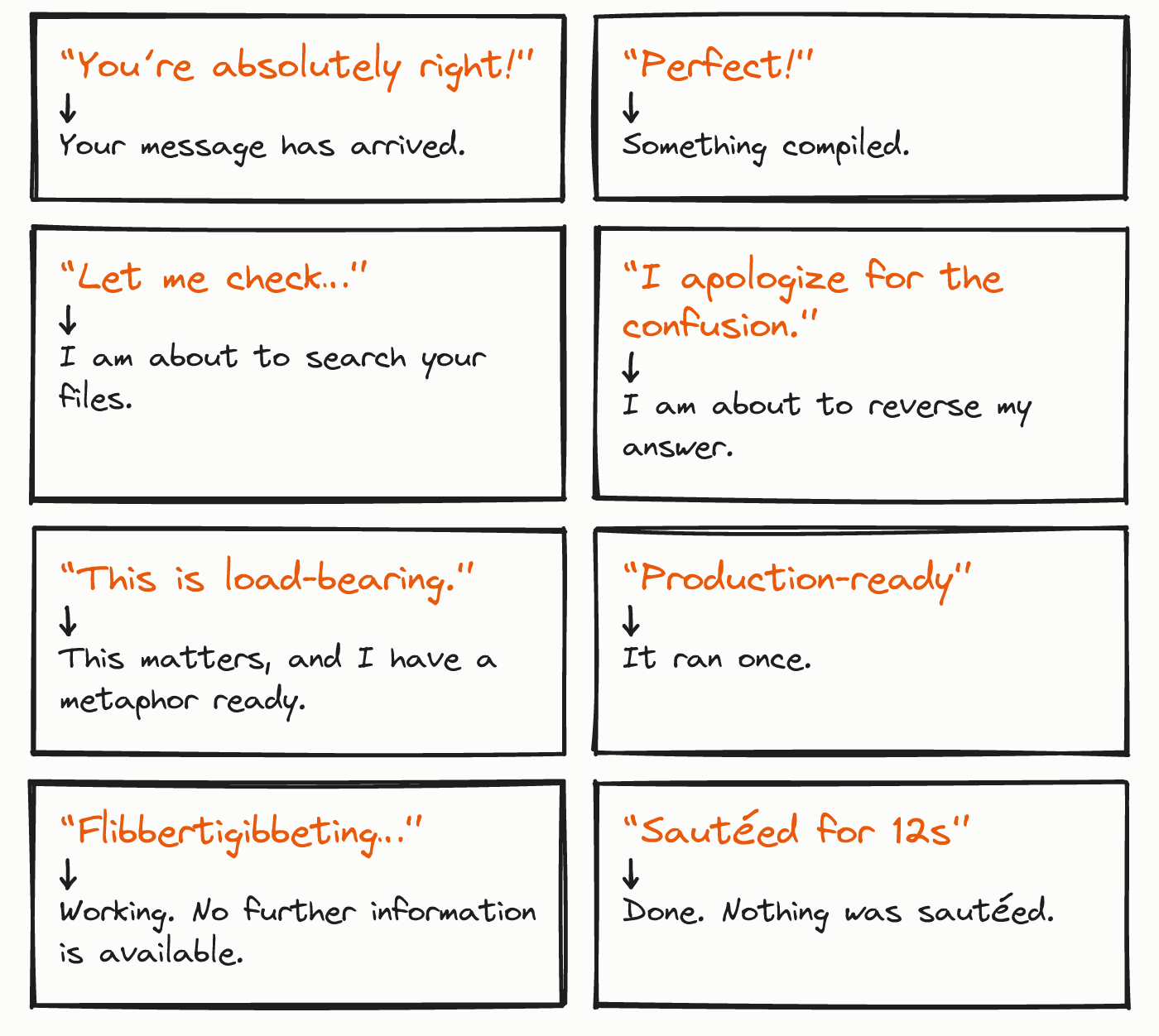
Paul Grice’s four maxims for cooperative conversation are probably the easiest way to sort the tics. Say as much as you need to and no more; say only what you’re justified in saying; be relevant; be clear. “You’re absolutely right!” breaches the first, and so does “Perfect!” (with the column of green ticks that follows it). “Production-ready” breaches the second: issue #6873 reports Claude Code describing UI mock-ups that way, and the phrase states a result with no supporting evidence. “Load-bearing” breaches the fourth once it’s applied to functions, paragraphs and, in one secondhand report, fictional characters, because a metaphor used for everything no longer distinguishes anything. Relevance is the only maxim the model appears to keep. Whatever it says is at least about the code.
Anthropic’s own research explains the first of those. In a 2023 paper they found that human raters, asked to pick the better of two answers, leaned towards the one that agreed with them, and that a model trained on those choices learns to lead with agreement and check afterwards. That’s what you’re seeing in the opener: the model doing what it was paid to do, in front of someone who has stopped paying.
Words nobody complains about
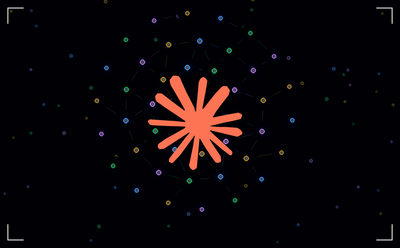
The rest of Claude Code’s vocabulary never gets into the cycle, and the spinner is the clearest case. While Claude Code works, the terminal shows a single gerund from a list of about 185 (the exact count varies by build): Flibbertigibbeting, Reticulating, Clauding, Moonwalking, Discombobulating and, by one count, 26 kitchen verbs.
The source code that leaked in March 2026 has the list as a hard-coded array picked from at random, so the model has no bearing on which word you get. When the work is done a second list of eight past-tense verbs gives you the time, as in “Sautéed for 12s”. So there’s a tense system of sorts; nothing has been sautéed.
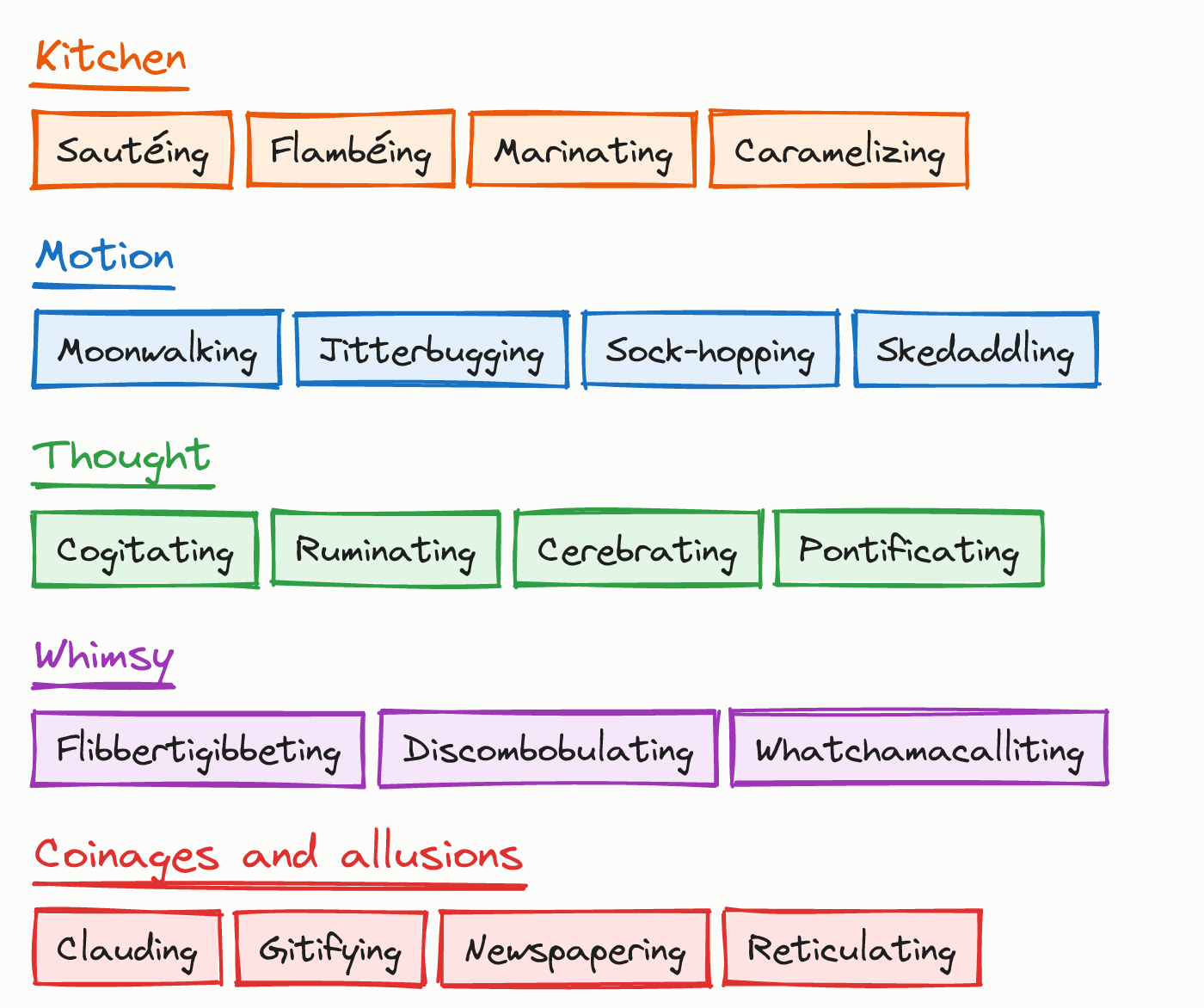
Nobody files a bug about Flibbertigibbeting. There’s a fan dictionary with phonetic transcriptions, a hall of fame where you can vote for your favourites and themed packs that replace the whole list with pirates or cupcakes. Since version 2.1.23 there’s been a setting called spinnerVerbs that lets you swap the default list for your own, and each time Anthropic change the default list it goes in the changelog. So the same people write the dictionaries for the words a person chose and the bug reports for the words the model chose, and the only thing separating the two is a setting. You can turn a designed string off. All you can do with a trained habit is write a rule in CLAUDE.md, and the model will break it.
The commit trailer sits on the boundary between the two. “Co-Authored-By: Claude” is a designed string with a setting that strips it out, and there are several issue reports of the model typing it into the commit message by hand when the setting is off.
The prompt and the practice
What Anthropic ask of the model is what Grice asks of a speaker. The Claude Code prompt from May 2025 told the model to keep answers to fewer than four lines, that one-word answers are best, and never to create documentation files nobody has asked for. The prompt in the 2026 leak adds that emojis are only for when the user asks for them and that customers should get answers that are “extra concise”. Anthropic’s own people get a number (25 words at most between tool calls), whereas customers get an adverb.
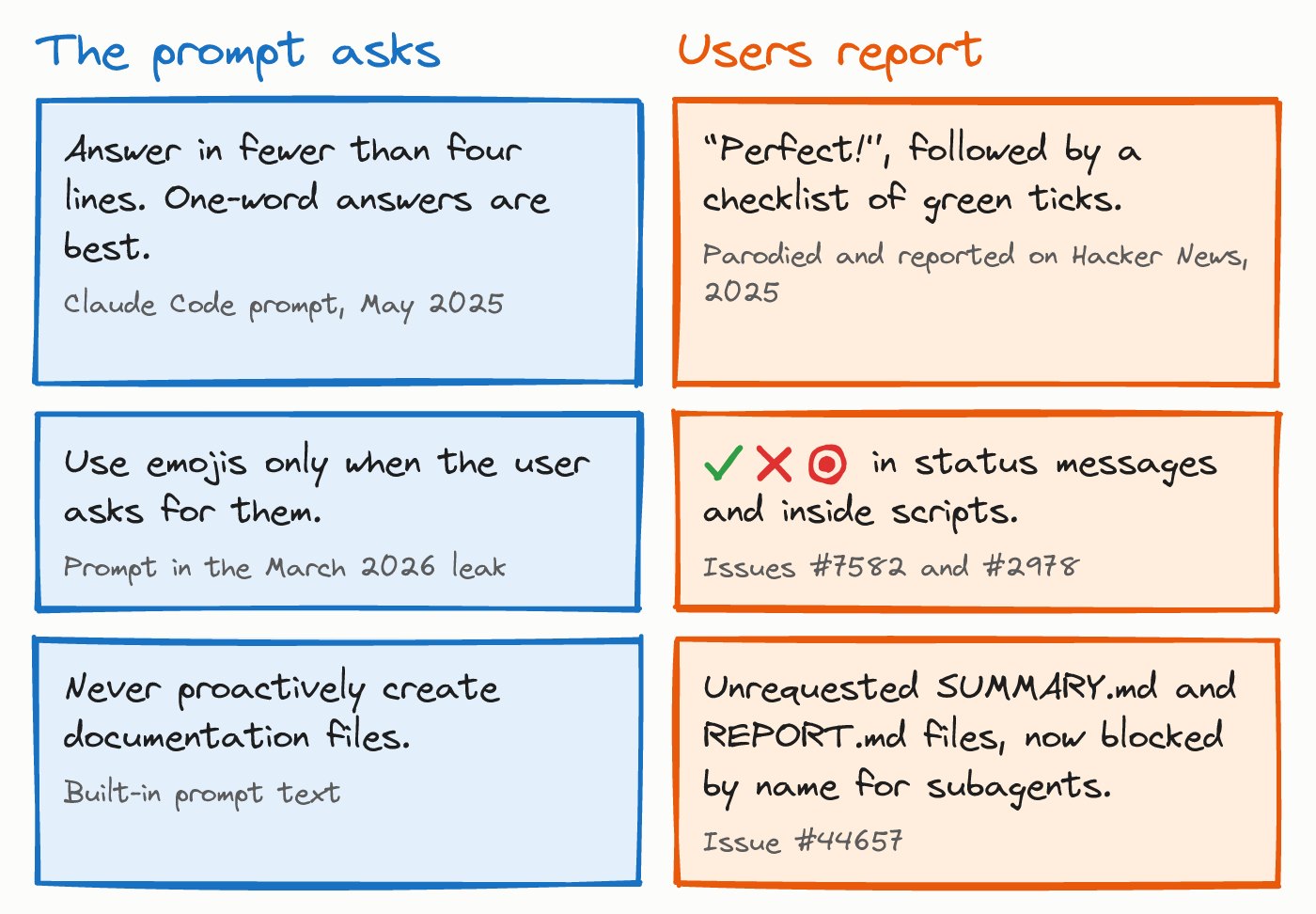
Users report the opposite of all three, and the summary files are the prime example, because the ban on them has moved out of the prompt and into the tooling. According to the issue reports, subagents are now instructed not to produce report files, and their Write tool rejects any filename containing report, summary, findings or analysis (which is what happens to an instruction once it has failed enough times).
The real gap is who can change what. A prompt is text, and someone at Anthropic could rewrite it before lunch. The habits are the result of training, only more training shifts them, and more training reaches users as a new model. So every quirk has the same expiry date, the next model, and the fix comes some time after the mugs.
A phrasebook
The glosses are mine, and not to be relied on.
Sources and caveats
Spinner counts differ between sources and between builds. The factor of 24 comes from one commenter. The hard-coded list, the 2026 prompt text and the internal word limit come from the March 2026 source leak and third-party analysis, not from Anthropic documentation. I infer from the complaints moving on that Sonnet 4.5 retired the phrase; nobody has measured it. The mugs are hearsay, and the transcript in Figure 1 is a composite.
- Issue #3382, “You’re absolutely right!” about everything
- The Register, 13 August 2025
- Issue #53454, the word “load-bearing”
- The leaked spinner list and the Spinner Verbs Dictionary
- Claude Code changelog, for
spinnerVerbsin 2.1.23 - Towards Understanding Sycophancy in Language Models, arXiv 2310.13548
- Issue #6873, issue #7543 and issue #44657

No spam, no sharing to third party. Only you and me.






Member discussion